Why book with us
Why see Kalaripayattu in Kochi
One of the world's oldest martial arts
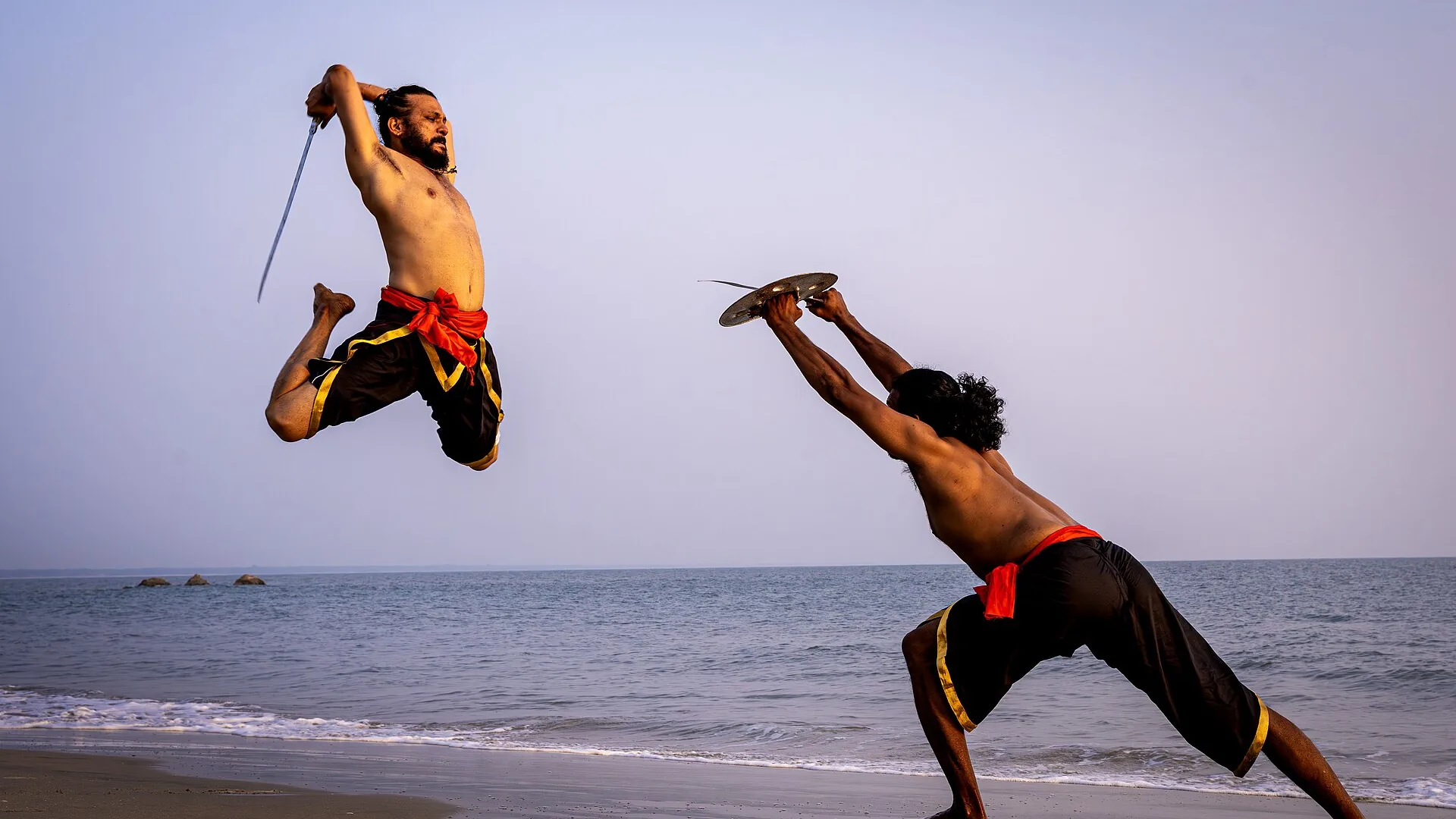
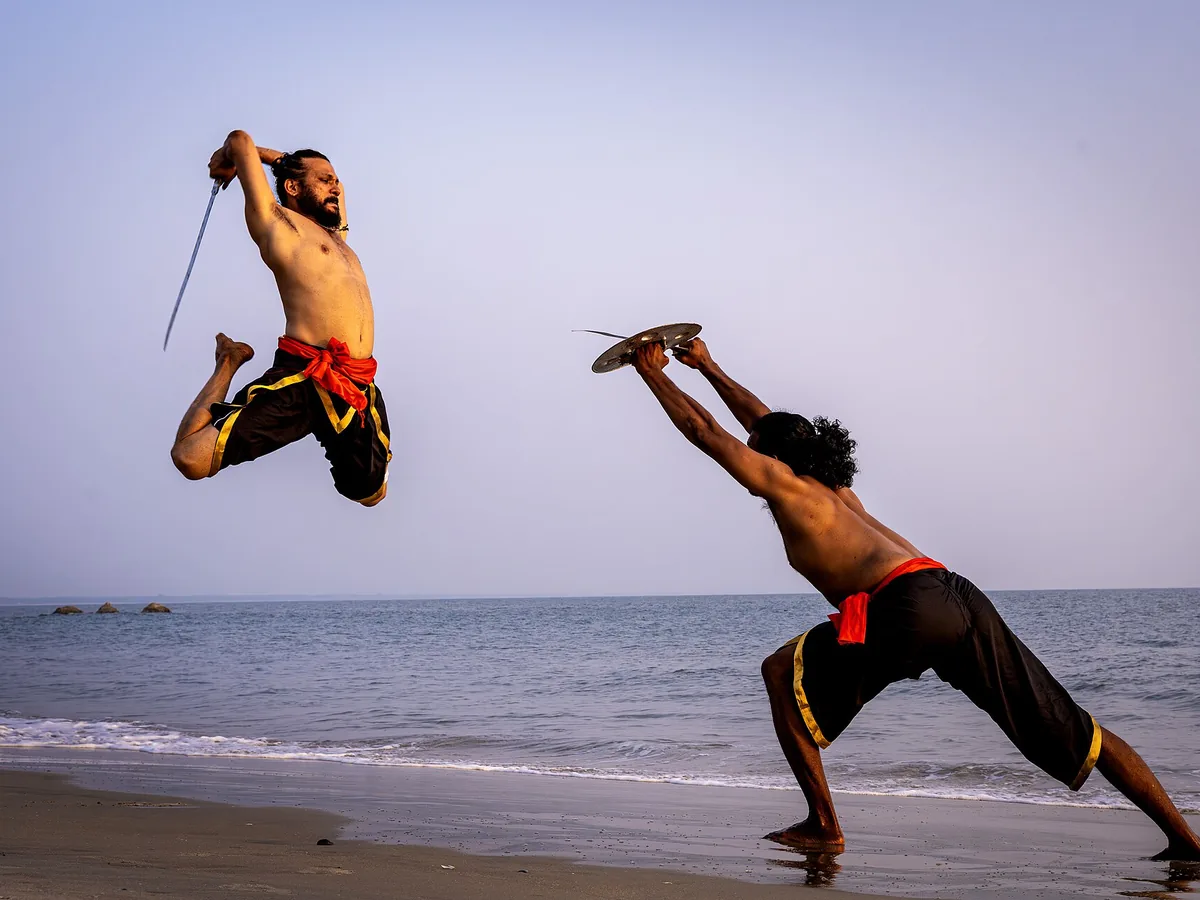
Kalaripayattu is widely described as among the oldest surviving martial art forms, native to Kerala and traditionally trained in a sunken pit (the kalari) combining unarmed combat, weapons work and a physical-spiritual discipline together.
Paired with Theyyam, not Kathakali
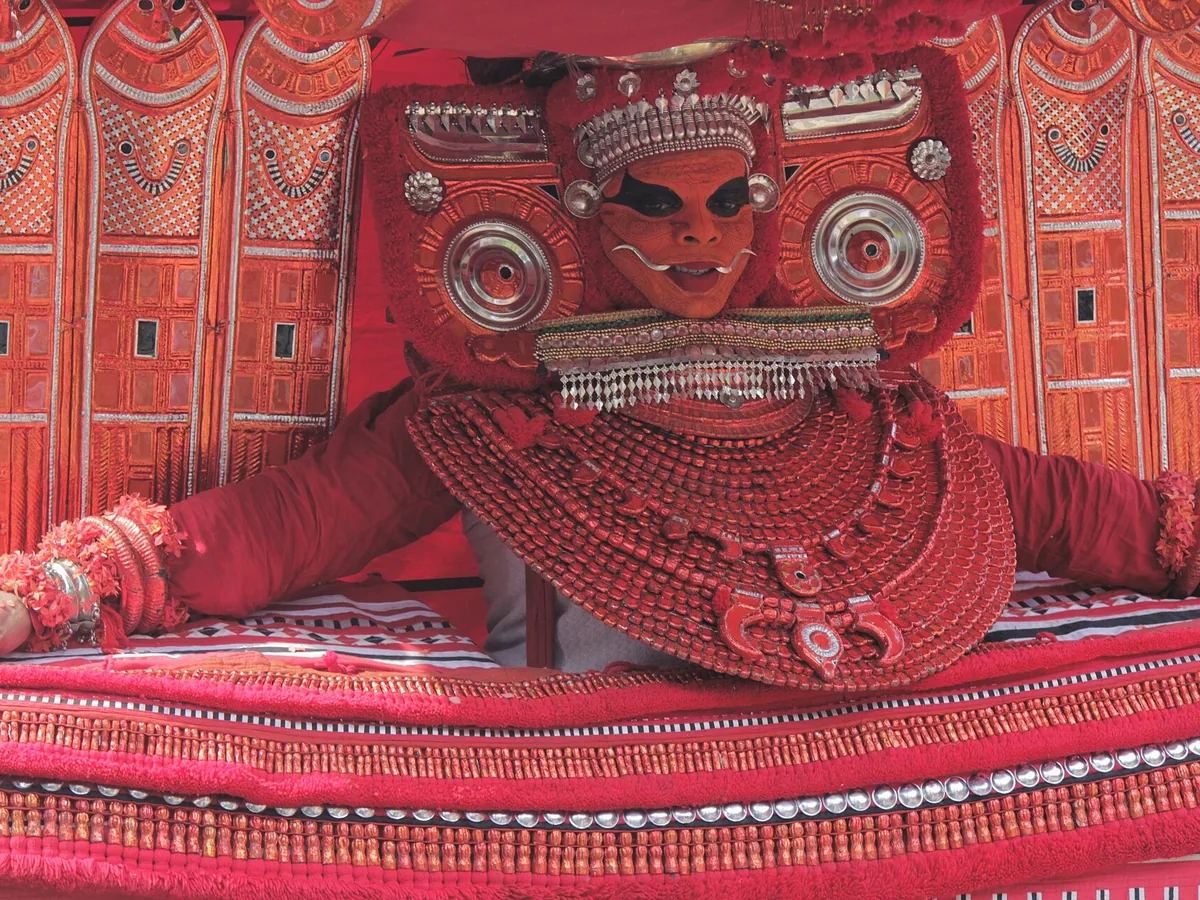
This show pairs Kalaripayattu with Theyyam — a ritual dance-and-trance tradition with elaborate face and body makeup, distinct from Kathakali's stylised dance-drama (a different Kerala art form covered on its own separate GetYourGuide listings).
A demonstration format, honestly described
Cultural-theatre shows like this present trained performers demonstrating the art forms for an audience — a genuine but staged introduction, not a full traditional kalari training session or an unstaged temple Theyyam ritual.
How the evening unfolds
How the evening unfolds
A single evening show combining two distinct Kerala traditions.
The Kalari
-
Arrival
Seated at the theatre
You take your seat at the Kochi cultural venue ahead of the show's fixed start time.
-
Kalaripayattu
Weapons and unarmed sequences
Performers demonstrate Kalaripayattu's combat forms — unarmed techniques, and sequences with traditional weapons — showing the discipline's agility and control.
-
Theyyam
Ritual dance and costume
The performance shifts to Theyyam, with its distinctive elaborate makeup, costume and percussion-driven ritual dance movements.
-
Close
Final bow
The show closes with the full cast, typically allowing photographs with performers still in costume — check your specific listing for what's included.
The venue
The venue
What's actually behind a Kochi cultural-show listing.
A dedicated cultural theatre
Kochi runs several venues built specifically for live demonstrations of Kerala's performing arts — Kathakali, Theyyam and Kalaripayattu among them — rather than a single monopoly venue.
Fort Kochi area
Most of these theatres sit in or near the historic Fort Kochi / Mattancherry area, a compact, walkable district popular with visitors.
A live, seated audience format
Expect bench or chair seating facing a stage or performance floor, with the show run to a fixed nightly schedule.
Photography
Policies vary by venue on photography during the performance — check your specific booking confirmation rather than assuming.
Kalaripayattu, in pictures
Kalaripayattu, in pictures
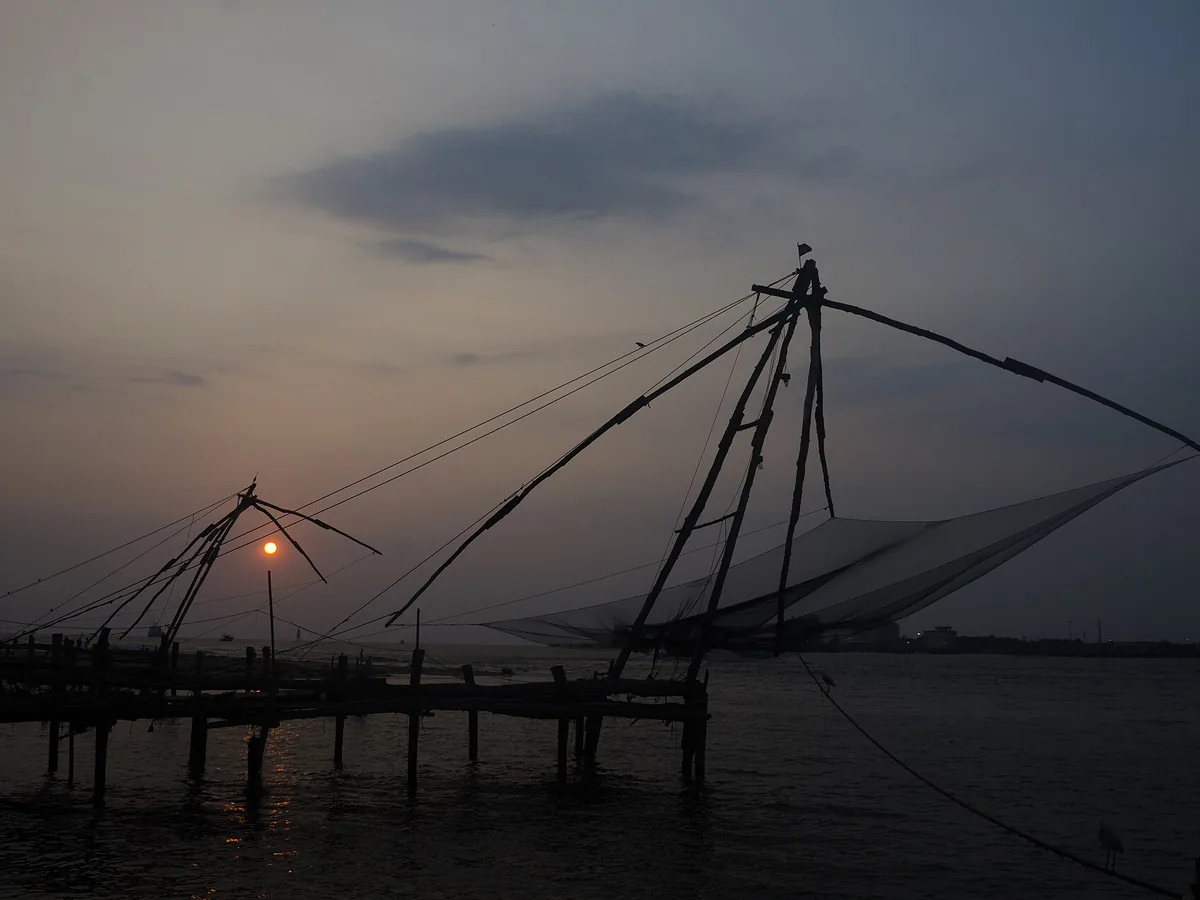
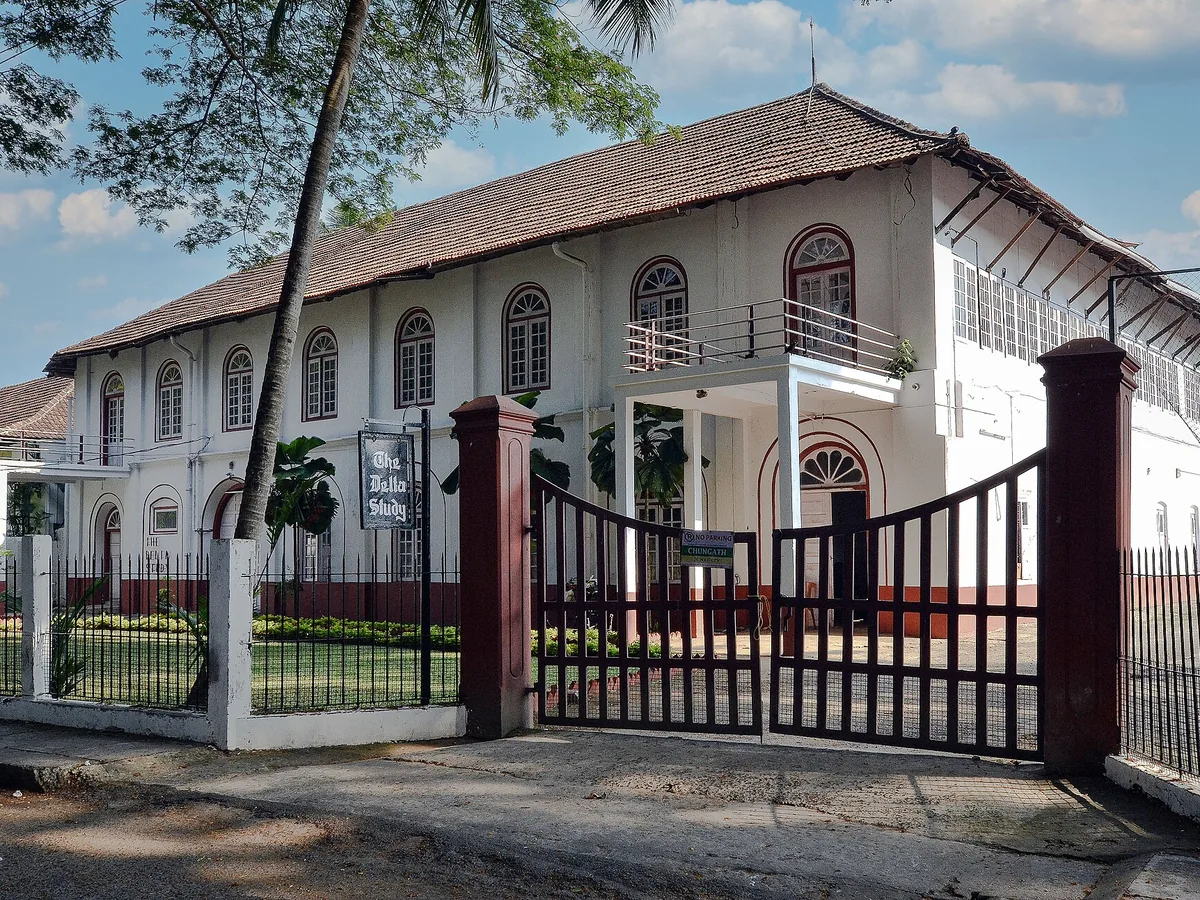
General imagery of the setting and tradition — not photographs of the show itself, which we don't have rights to photograph.
What's included
This show, or a Kathakali-only performance
| This Theyyam & Kalaripayattu show | A Kathakali-only show | |
|---|---|---|
| Art forms | Kalaripayattu (martial art) + Theyyam (ritual dance) | Kathakali (stylised dance-drama) only |
| Feel | Physical, combat-focused, percussive | Slow, expressive, heavily costumed storytelling |
| Best for | Travellers curious about Kerala's martial tradition | Travellers wanting classical dance-drama specifically |
Ways to book Kalaripayattu Show Kochi
Find a Kalaripayattu Show Kochi date for your trip
Every option below is bookable through GetYourGuide, with live availability and the final price shown in your own currency before you pay.
Planning your visit
Planning your visit
What to wear
Casual, comfortable clothing — this is not a formal venue. Kerala's heat and humidity make breathable fabric the main consideration.
What time to arrive
Cultural-theatre shows run fixed nightly start times — arrive at the time confirmed on your booking, allowing a little extra time to find the venue and be seated.
Getting there
Most Kochi cultural theatres sit in or near Fort Kochi and Mattancherry — walkable from many guesthouses, or a short auto-rickshaw/taxi ride from Ernakulam.
How far ahead to book
Seating is limited to the venue's fixed nightly capacity rather than open browsing hours, so booking a day or two ahead — more in peak season — is a sensible precaution.
Planning your trip
Planning your trip
Kalaripayattu vs. Kathakali in Kochi: what's actually different
A martial art and a dance-drama both get called "Kerala culture shows" — here's how they actually differ.
Read more → ORIGINS & MEANINGWhat Is Kalaripayattu? Kerala's Ancient Martial Art
Often called the world's oldest surviving martial art — here's what the name actually means, how old it really is, and the famous legend historians dispute.
Read more → THE TRAINING SYSTEMKalaripayattu's Four Training Stages, Explained
From bare-body conditioning to bare-hand combat — the four stages every Kalaripayattu student works through in order, and what each one actually teaches.
Read more → THE TRAINING GROUNDInside the Kalari: Kerala's Traditional Training Pit
The kalari itself is part of the tradition — a sunken training pit, a shrine in its corner, and a master whose role goes well beyond teaching moves.
Read more → WEAPONS OF THE KALARIThe Urumi and Other Weapons of Kalaripayattu
Sticks, sword and shield, and the flexible urumi whip-sword — what each Kalaripayattu weapon is, how it's trained, and why the urumi comes last of all.
Read more → PLANNING YOUR EVENINGWatching a Kalaripayattu Show: An Evening in Fort Kochi
What a staged Kalaripayattu performance actually shows you, and how to build it into a fuller evening exploring Fort Kochi's streets and waterfront.
Read more →GEO/FAQ
Theyyam and Kalaripayattu Show questions
What is Kalaripayattu?
Kalaripayattu is a traditional martial art native to Kerala, widely described as among the world's oldest surviving martial arts. It combines unarmed combat, weapons training and a physical-spiritual discipline, traditionally taught in a sunken training pit called a kalari.
What is Theyyam, and why is it paired with Kalaripayattu here?
Theyyam is a Kerala ritual dance form with elaborate costume, face makeup and percussion, traditionally performed as a form of worship in northern Kerala. This particular show programmes it alongside a Kalaripayattu demonstration as a combined evening of Kerala performance traditions.
Is this the same as a Kathakali show?
No. Kathakali is a separate, stylised dance-drama tradition with its own distinct costume, slow expressive movement and storytelling from epics like the Mahabharata — a different listing from this Theyyam-and-Kalaripayattu show.
How long does the show run, and is it suitable for children?
Evening cultural shows of this kind typically run under an hour and are generally family-friendly, though the Kalaripayattu combat sequences and Theyyam's intense visual style may be a lot for very young children — check your specific listing's guidance.
Do I need to book ahead?
Cultural theatres run to a fixed nightly schedule with limited seating, so booking a day or two ahead — more in peak season — is a sensible precaution rather than a guarantee-required rule.
Is the price shown final?
You book through GetYourGuide, which shows the final price in your own currency and the cancellation policy before you pay. We're an independent guide to booking this show, not the venue.